
6-20 个字符(仅限字母加数字)
密码不一致


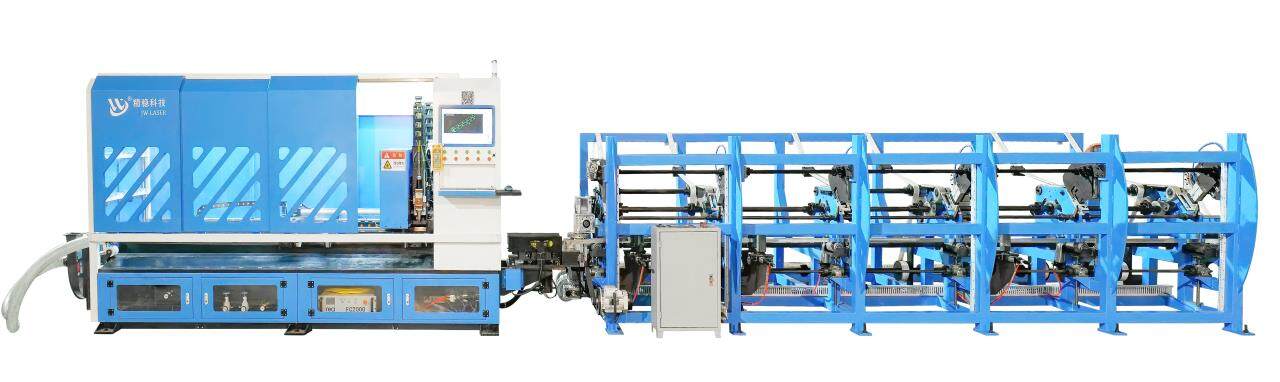
How to Set Up Laser Cutting Machine: A Complete Guide for Industrial Manufacturers and Global Buyers
Modern manufacturing demands high precision, high efficiency, and automation. Laser cutting machines have become essential equipment in metal fabrication, automotive production, construction structures, machinery manufacturing, and customized metalwork. For factories, distributors, and engineering teams, understanding how to set up laser cutting machine correctly is crucial to ensure long-term performance, accurate cutting, and production continuity.
Suppliers such as Jingwen have developed complete installation systems, making the setup process easier, safer, and more standardized for global users. This comprehensive guide explains installation requirements, step-by-step setup procedures, calibration processes, safety precautions, and long-term maintenance strategies.
Whether you are an importer, mechanical engineer, distributor, or factory owner, this guide will help you confidently install and operate your laser cutting machine.
1. Why Proper Machine Setup Is Critical
Before diving into how to set up laser cutting machine, it’s important to understand why proper installation matters. A poorly installed machine can lead to:
-
Cutting inaccuracy
-
Laser instability
-
Faster component wear
-
Reduced production speed
-
Unexpected downtime
-
Higher maintenance costs
A machine from a reputable brand such as Jingwen is engineered for industrial-level performance — but only when installed and calibrated correctly. As laser cutting machines become more advanced, setup precision becomes directly connected to production efficiency and ROI.
2. Pre-Installation Requirements for a Laser Cutting Machine
Every factory must prepare certain conditions before setup begins.
2.1 Workshop Space & Layout Planning
Ensure sufficient room for:
-
Machine bed
-
Electrical cabinet
-
Cooling system
-
Exhaust system
-
Feeding racks
-
Operator pathway
Most suppliers, including Jingwen, provide a layout drawing to help customers arrange the workshop efficiently.
2.2 Ground Level and Load Capacity
The floor should be:
-
Flat (within 5 mm deviation)
-
Strong enough to support heavy equipment (1–8 tons depending on model)
2.3 Power Requirements
Laser cutting machines often require:
-
380V or 220V industrial power
-
Grounding resistance < 4 ohms
-
Stable voltage without fluctuations
2.4 Industrial Water Chiller Preparation
Cooling is essential for fiber laser sources.
Ensure:
-
Water pipes are connected
-
Water quality meets standards
-
Chiller is placed in a ventilated area
2.5 Ventilation & Dust Removal System
Metal cutting produces smoke; proper exhaust is mandatory.
2.6 Gas Preparation
Depending on production needs:
-
Nitrogen (for stainless steel)
-
Oxygen (for carbon steel)
-
Air compressor (for low-cost cutting)
Once these conditions are confirmed, you can proceed to how to set up laser cutting machine correctly.
3. Step-by-Step Guide: How to Set Up Laser Cutting Machine
This is the core procedure used by professional installation engineers from Jingwen and other leading manufacturers.
Step 1: Unpacking and Positioning the Machine
-
Carefully remove the protective packaging.
-
Move the machine to its designated position with a forklift.
-
Check all accessories (laser head, electrical cabinet, chiller, etc.).
-
Ensure the machine bed is aligned with workshop layout drawings.
Step 2: Leveling the Machine Bed
Accurate leveling is crucial for stable cutting.
-
Use a precision level instrument.
-
Adjust the support legs until the deviation is less than 0.02 mm.
-
Confirm the bed does not shake or tilt.
Jingwen engineers emphasize this step because poor leveling will directly affect cutting accuracy.
Step 3: Connecting the Electrical System
-
Connect main power cables according to the wiring diagram.
-
Ensure grounding wires are correctly installed.
-
Power on electrical cabinets and check for alarms.
-
Confirm that voltage is stable.
Always follow manufacturer safety protocols when learning how to set up laser cutting machine.
Step 4: Installing the Industrial Water Chiller
-
Connect inlet/outlet pipes to the laser source.
-
Fill the chiller with pure or deionized water.
-
Check for leaks.
-
Power on the chiller to confirm proper water flow.
Laser sources from brands like Raycus, MAX, or IPG require stable water cooling.
Step 5: Installing Gas Supply System
-
Connect nitrogen, oxygen, or air compressor lines.
-
Ensure pressure stabilization.
-
Use high-pressure-resistant pipes.
-
Install safety valves and flow regulators.
Step 6: Installing the Exhaust and Filtration System
-
Connect exhaust ducts.
-
Verify airflow direction.
-
Install dust filter units if required.
A clean cutting environment improves precision and reduces machine wear.
Step 7: Installing the Laser Head
-
Mount the laser head (e.g., Raytools, WSX).
-
Connect signal cables and optical fibers carefully.
-
Avoid sharp bends in the fiber cable.
Jingwen engineers typically perform this step to prevent optical damage.
Step 8: Software Installation and System Testing
-
Install the CNC controller software.
-
Load configuration files.
-
Test servo motors and axes movement.
-
Verify emergency stop button functionality.
4. Initial Calibration: Ensuring Cutting Precision
Proper calibration is essential when learning how to set up laser cutting machine.
4.1 Laser Focal Positioning
-
Set auto-focus or manual focus.
-
Adjust nozzle distance.
-
Perform focus compensation tests.
4.2 Axis Calibration
-
Test X/Y/Z movement accuracy with rulers or laser measurement tools.
-
Adjust servo parameters as required.
4.3 Cutting Parameter Setup
Input cutting data for:
-
Stainless steel
-
Carbon steel
-
Aluminum
-
Brass
Suppliers like Jingwen normally provide parameter tables to guide the user.
4.4 Trial Cutting
Test cutting shape samples such as:
-
Circles
-
Squares
-
Triangular slots
-
Internal contours
Check for:
-
Smooth edges
-
Dimensional accuracy
-
Proper kerf width
5. Safety Guidelines for Setting Up a Laser Cutting Machine
Understanding how to set up laser cutting machine also includes safety knowledge.
5.1 Laser Protection
-
Operators must wear protective glasses.
-
Avoid exposure to laser beams.
-
Install safety enclosures if required.
5.2 Electrical Safety
-
Only licensed electricians should connect power lines.
-
Turn off power before maintenance.
5.3 Gas Safety
-
Store oxygen away from heat.
-
Check nitrogen pressure regularly.
5.4 Fire Protection
-
Keep extinguishers nearby.
-
Avoid cutting oil-coated metals.
6. Common Setup Issues & Troubleshooting
Issue 1: Laser Not Emitting
Possible causes:
-
Incorrect water flow
-
Emergency stop engaged
-
Laser source alarm
Issue 2: Cutting Not Smooth
May be caused by:
-
Incorrect focus
-
Air pressure too low
-
Nozzle blocked
Issue 3: Machine Shaking
Check:
-
Machine leveling
-
Servo motor parameters
-
Fastening screws
Jingwen’s support team typically guides customers through online troubleshooting.
7. Long-Term Maintenance After Setup
To maintain long-term productivity:
Daily Maintenance
-
Clean lenses and nozzle
-
Check water chiller level
-
Remove dust from the cutting bed
Weekly Maintenance
-
Inspect guide rails
-
Check belt tension
Monthly Maintenance
-
Test servo accuracy
-
Inspect fiber cable condition
Yearly Maintenance
-
Full calibration service
-
Replace worn components
A properly maintained machine lasts 8–12 years.
8. Why Many Global Buyers Choose Jingwen Laser Cutting Machines
Buyers from Europe, Asia, South America, and the Middle East choose Jingwen because of:
8.1 Complete Installation Service
Includes:
-
Pre-delivery testing
-
Onsite installation
-
Remote training
-
Dedicated after-sales team
8.2 High Cutting Accuracy
Ideal for industrial-grade metal production.
8.3 Competitive Pricing
A strong advantage over European and Japanese suppliers.
8.4 Reliable Components
Jingwen uses premium global brands to ensure stability.
8.5 Industrial-Grade Machine Structure
Built for long-term continuous operation.
9. Conclusion: Mastering How to Set Up Laser Cutting Machine the Right Way
Understanding how to set up laser cutting machine is essential to achieving optimal productivity and cutting accuracy. From workshop preparation and electrical installation to software calibration and safety protocols, each step contributes to long-term performance.
Suppliers like Jingwen provide reliable equipment, detailed setup guidance, and strong technical support — ensuring that every buyer can confidently operate their machine from day one.
A properly installed machine becomes a high-efficiency production asset, helping factories reduce costs, improve quality, and gain competitive advantages.