
6-20 个字符(仅限字母加数字)
密码不一致


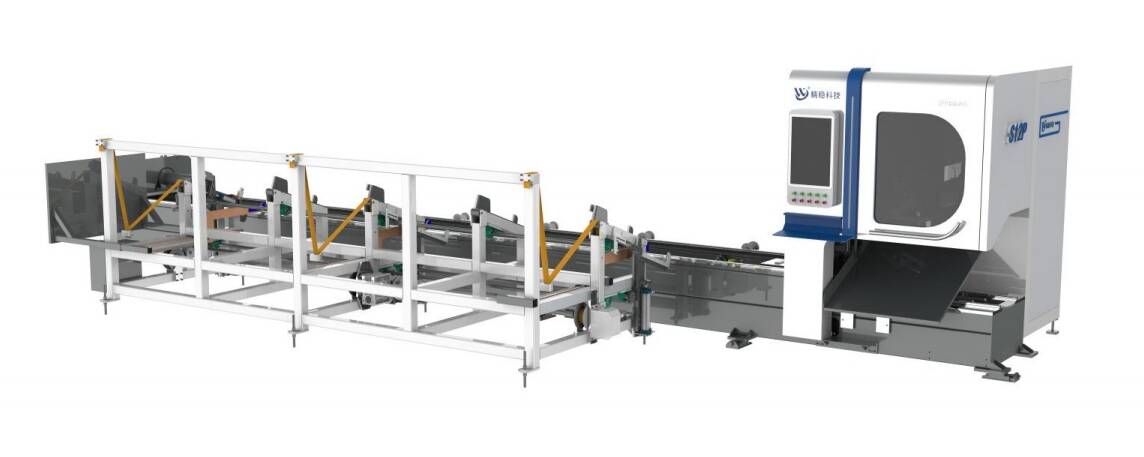
How to Evaluate 6mm Stainless Steel Laser Cutting Machine Factories: A Buyer‘s Checklist
Stainless steel is not mild steel with a different color. It conducts heat poorly, tends to accumulate dross at the bottom edge, and demands precise gas pressure control to achieve a clean cut. When you are cutting 6mm stainless, you are sitting right at the boundary where a machine’s optical configuration and process tuning start to matter far more than the headline wattage on the spec sheet. Choosing a factory to supply that machine requires looking past the quotation and into how the equipment was actually built and tuned for this specific material.
The challenge is compounded by the fact that many factories will happily sell you a “stainless-capable” machine without ever having optimized it for the thickness you run every day. A 6mm cut can look acceptable on a sample piece and still fail in production because the focus control drifts, the nozzle selection is wrong, or the assist gas system cannot hold pressure through a long nesting program. This guide breaks down what to verify before you commit.
Confirm the Power and Optical Configuration Are Matched to 6mm Stainless
The first mistake buyers make is assuming more power is always better. For 6mm stainless, a 1000W to 2000W fiber laser is generally sufficient, provided the beam quality and focusing optics are appropriate. A 3000W machine may cut faster, but it also introduces more heat input and a greater risk of dross if the parameters are not carefully managed. The factory you choose should be able to explain why a specific power level suits your thickness distribution, rather than pushing the highest configuration available.
More important than raw power is the condition of the optical chain. Stainless cutting generates spatter that can contaminate the protective lens quickly. A factory that understands this will specify a cutting head with robust sealing and a lens protection strategy that does not require constant intervention. Jingwen‘s technical guidance on cutting head selection emphasizes that the head’s rated power must exceed the source’s actual output, and that focal length must match the thickness range. For 6mm stainless, a 7.5-inch focusing lens is commonly recommended to balance spot size and depth of focus.
Ask the factory what focal length their standard configuration uses for 6mm stainless, and whether they can provide a cut sample with documented parameters. If they cannot answer without checking with someone else, that is a signal about their depth of process knowledge.
Verify the Assist Gas Strategy and Nozzle Selection
Stainless steel cutting relies on nitrogen at high pressure to eject molten material without oxidation. The factory should be able to specify the nozzle diameter and gas pressure they recommend for 6mm stainless. Industry practice points to a 2.5mm nozzle with nitrogen pressure in the 14–16 kg range for 5–6mm stainless. A factory that cannot recite these basics is unlikely to have tuned their machines for the material.
The gas delivery system itself matters as much as the parameter. High-pressure nitrogen cutting demands regulators, valves, and plumbing that can sustain flow without pressure droop across the cut program. Low-cost machines sometimes cut corners here, using components rated for lower pressures or simpler proportional control. Ask what the maximum working pressure of the gas circuit is and whether the system uses separate high-pressure and low-pressure paths. Machines designed for serious stainless work will have independent pressure control for different assist gases, allowing the operator to switch between oxygen for carbon steel and high-pressure nitrogen for stainless without compromising either process.
Inspect the Factory’s Manufacturing and Assembly Capability
The term “factory” covers a wide spectrum. Some suppliers assemble machines from purchased kits with minimal testing. Others machine their own beds, weld and anneal their own frames, and run every unit through a cutting test before shipment. For a machine intended to cut stainless reliably for years, the latter is what you want.
Jingwen operates as a manufacturer with in-house production capability, which means the assembly tolerances and alignment procedures are controlled internally rather than outsourced. The practical implication for a buyer is that the factory can trace a problem back to its source—whether it is a gantry alignment issue, a chiller sizing mistake, or a parameter library error—and correct it without blaming a third-party integrator.
When evaluating a factory, ask to see the assembly floor. Ask how the gantry is aligned and what the acceptance criteria are for squareness and repeatability. Ask whether every machine is test-cut before shipment and what material and thickness are used for that test. A factory that test-cuts 6mm stainless on every unit before shipping is demonstrating that they take the material seriously.
Confirm the Parameter Library and Sample Validation Process
A machine is only as good as the parameters loaded into its control. For 6mm stainless, the factory should have a validated parameter set that accounts for laser power, cutting speed, focus position, gas pressure, and nozzle standoff. These parameters should be documented and transferable, not locked in the head of a single engineer.
Request a sample cut on 6mm stainless as part of the evaluation. The sample should be cut on the same model and configuration you are considering, not on a demonstration machine that has been specially tuned. Examine the cut edge for dross, discoloration, and kerf width consistency. A clean cut on 6mm stainless should show minimal bottom dross and a narrow, uniform kerf.
Jingwen’s approach to machine selection emphasizes matching the equipment to the production rhythm and material, rather than selling on specifications alone. That philosophy should extend to the sample validation stage: the factory should be willing to cut your material, to your quality standard, before you place an order.
Assess After-Sales Support for Stainless-Specific Consumables
Stainless cutting consumes protective lenses and nozzles at a rate that depends heavily on the machine’s sealing and the operator’s discipline. A factory that stocks these consumables locally and can ship them quickly is worth more than one that offers a slightly lower machine price but leaves you waiting weeks for a replacement lens.
Ask what the expected consumable life is for 6mm stainless cutting and what the factory’s policy is for supplying spares. A reasonable factory will provide a recommended spares kit with the machine and maintain stock of the items that wear out most frequently. They should also be able to explain the signs of lens contamination and the procedure for inspection, because a factory that understands its own machine’s failure modes is better equipped to support you when something goes wrong.
Frequently Asked Questions
Is 1000W enough for 6mm stainless?
In most cases, yes, provided the machine is properly configured with a suitable focusing lens and high-pressure nitrogen assist gas. A 1000W source cutting 6mm stainless will not match the speed of a 2000W or 3000W machine, but it can produce a quality cut. The limiting factor is often gas pressure and focus control, not raw power.
Why does my 6mm stainless cut have dross on the bottom edge?
Bottom dross on stainless usually indicates insufficient assist gas pressure, a focus position that is too high, or a travel speed that is too slow. It can also result from a worn nozzle or a contaminated protective lens. The factory should be able to diagnose this from a photograph of the cut edge.
Can a machine set up for carbon steel also cut 6mm stainless?
Yes, but it requires changing the assist gas from oxygen to nitrogen, adjusting the focus position, and switching to a parameter set developed for stainless. A machine with independent gas pressure control makes this changeover faster and more reliable. Machines with a single gas circuit may struggle to achieve the pressures needed for clean stainless cutting.
What should I look for in a sample cut?
A good 6mm stainless cut should have a bright, clean top edge, minimal discoloration on the cut face, and little to no dross on the bottom. The kerf should be narrow and consistent along the cut length. If the sample shows heavy dross or a wide heat-affected zone, the parameters or the machine configuration are not optimized.